Bunka Fashion College
////////////////////////////////////////////////////////////////////
“Mastering abilities and sensibility through well-qualified, internationally accredited techniques, while cultivating young talents who are able to contribute to society through fashion.”
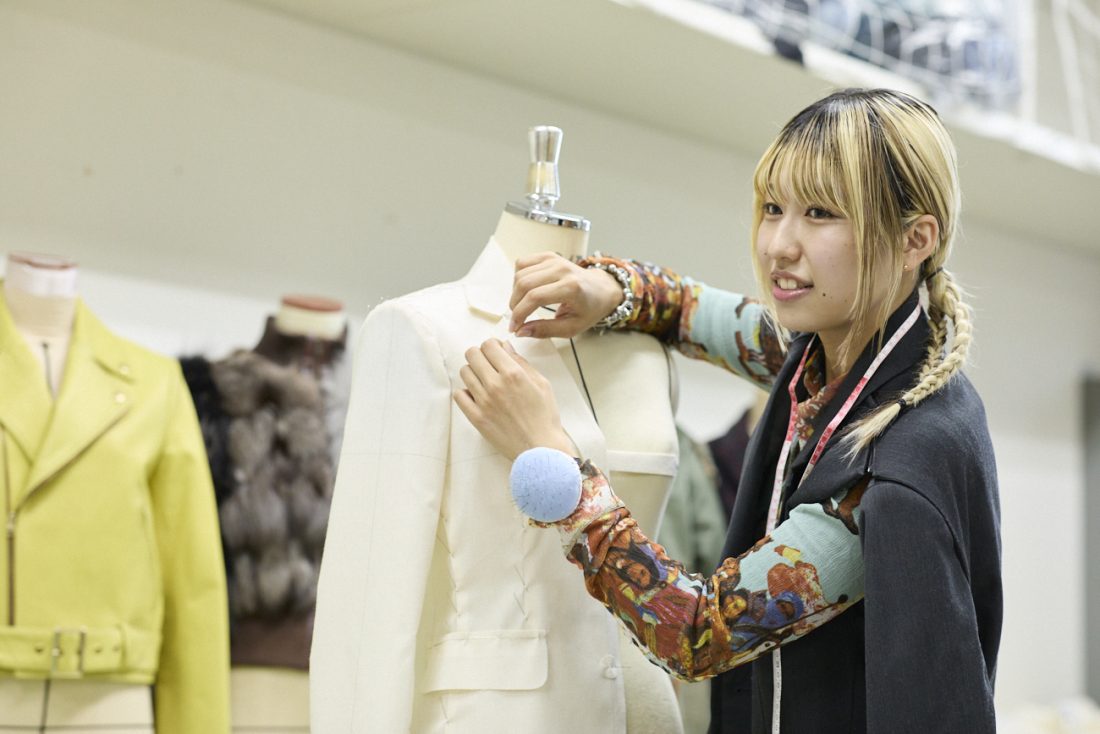
This is the mission of Bunka Fashion College, which has produced more than 300,000 graduates over its more than 100-year history. In 1923, at a time when the kimono was the first and almost only choice for Japanese people, the history of Bunka Sewing School for Women (renamed Bunka Fashion College in 1936) began with only four students and seven apprentices in a three-story wooden building. The original aim of the school was technical education in Western dressmaking. While the world entered turbulent times in the mid-20th century, the college sensed major changes earlier than others. At the same time, it began to focus on developing Japanese fashion designers and established a fashion design course in 1951. That effort did not take long to bear fruit. Graduates of the college, such as Kenzo Takada (KENZO) in the 1970s and later Yohji Yamamoto (YOHJI YAMAMOTO) in the 1980s, debuted in the Paris collections and soon created a major whirlwind in the fashion world. These events led fashion professionals to recognize “fashion from Japan” as part of their common understanding. Since then, the college has continued to lead the way, consistently sending outstanding talents who are active internationally. Every year, the college’s largest event, the “Bunka Festival,” is held in November.
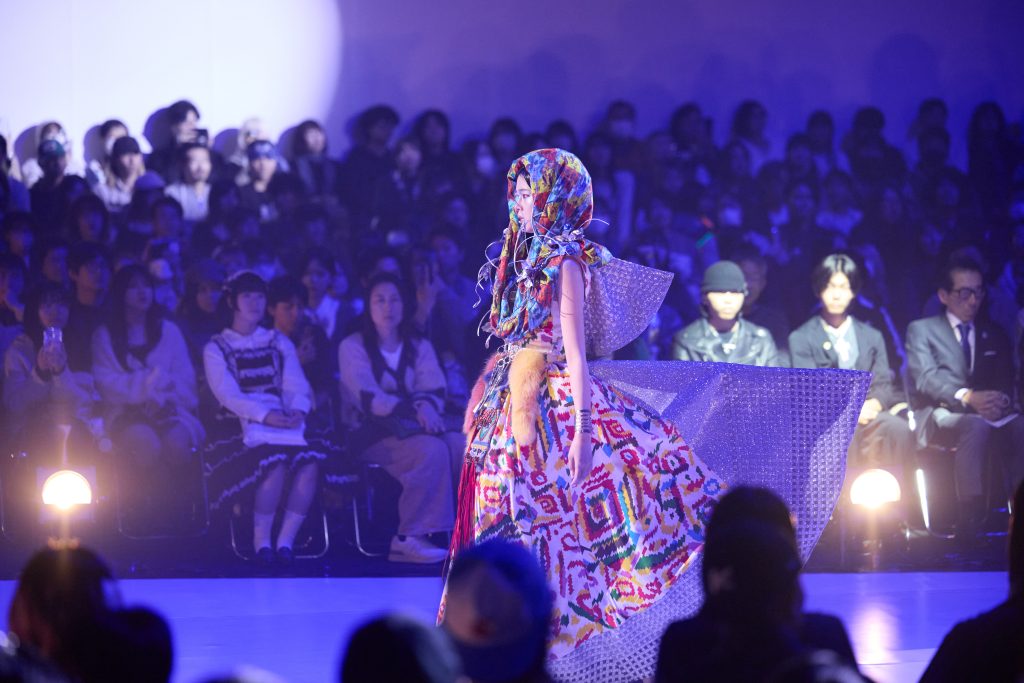
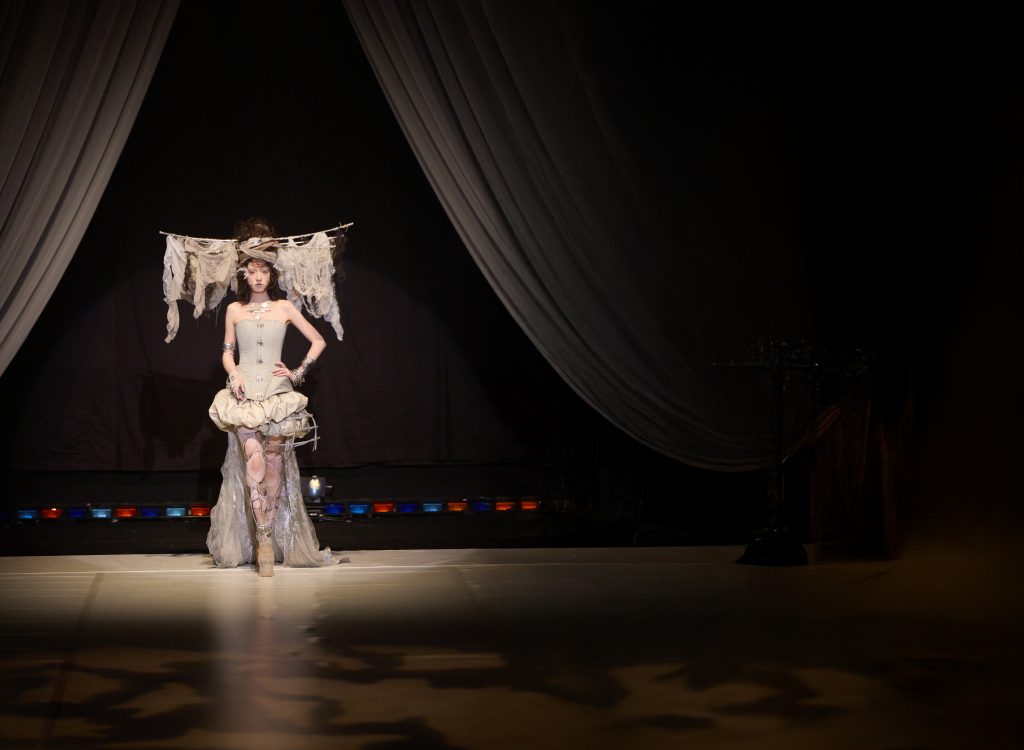
The fashion show is, of course, always the centerpiece of the event. Students are given a theme in advance each year and make excellent use of their individual creativity and skills to create their own styles. The theme for 2025 was “Un:” meaning untitled. The show was composed of six scenes: “Porcelain,” “Pepe Bés,” “This Is All Square.,” “21917193,” “Happy Warriors,” and “ICONIQ STAR.” A total of 72 styles were unveiled. One of the scenes, “21917193,” was a joint project with SHINDO, a manufacturer of secondary materials for fashion accessories. The styles presented in this scene were evaluated by jury members as well as through a popularity vote on social media. The style selected for first prize will be exhibited at Première Vision in February 2026. Meanwhile, the unstoppable momentum of the graduates continues. In September 2025, Soshi Otsuki, a graduate of the college, became the Grand Prix winner in the final competition of the LVMH Prize. He became the third Japanese designer to achieve this remarkable accomplishment. Even though more than a hundred years have passed since its opening, the soul of Bunka continues to move forward. This is because, at its core, there remains the enthusiasm and commitment of its two founders, who shared a desire to expand Western-style clothing in Japan. The world they dreamed of has now become a reality. However, this is not the end of the story. Almost certainly, the passion and ambition they once held will be passed on to young talents for many years to come.
////////////////////////////////////////////////////////////////////