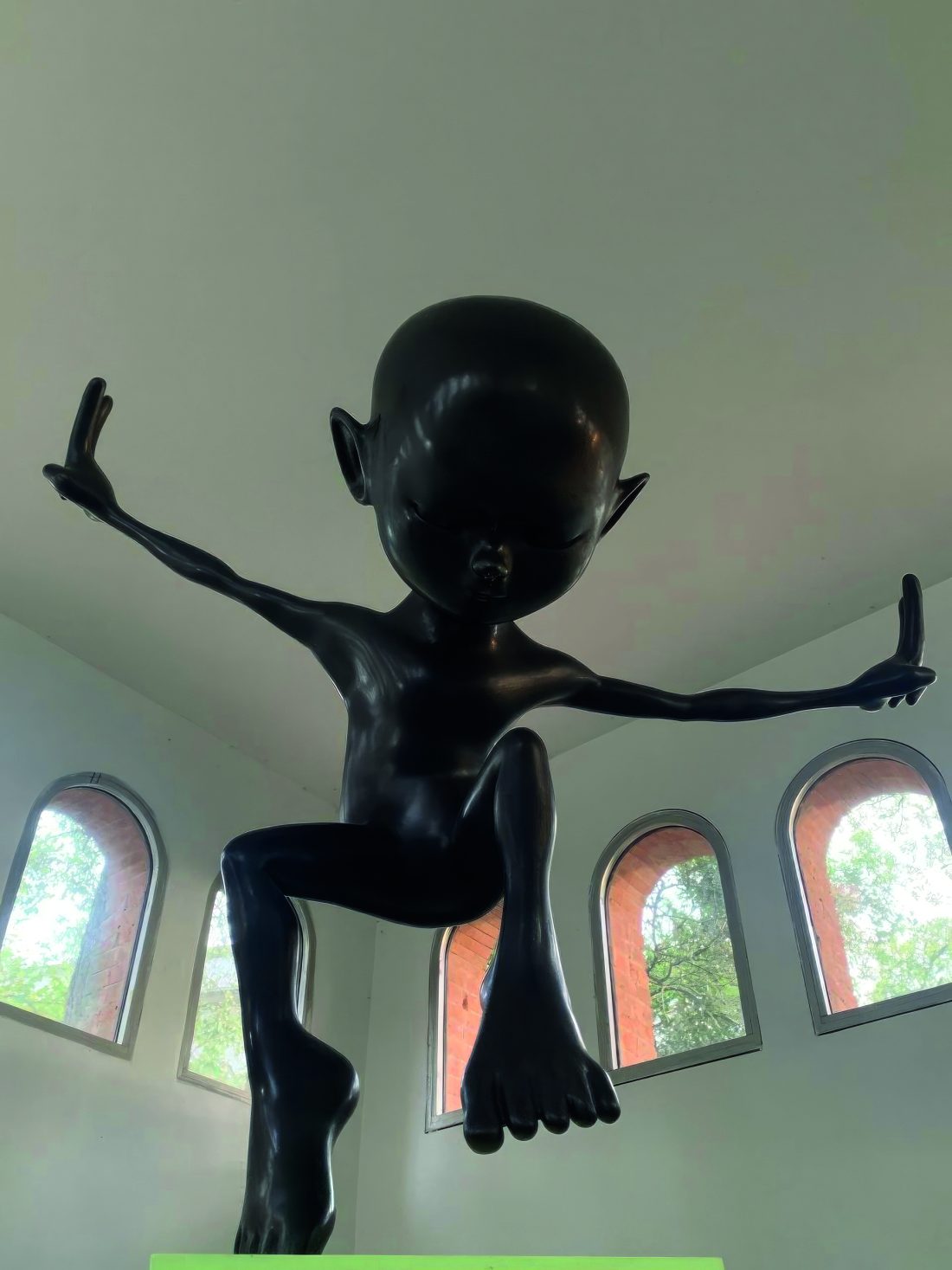
LA BIENNALE D’ARTE VENEZIA 2024
‘FOREIGNERS EVERYWHERE’ / Venice Art Biennale 2024.
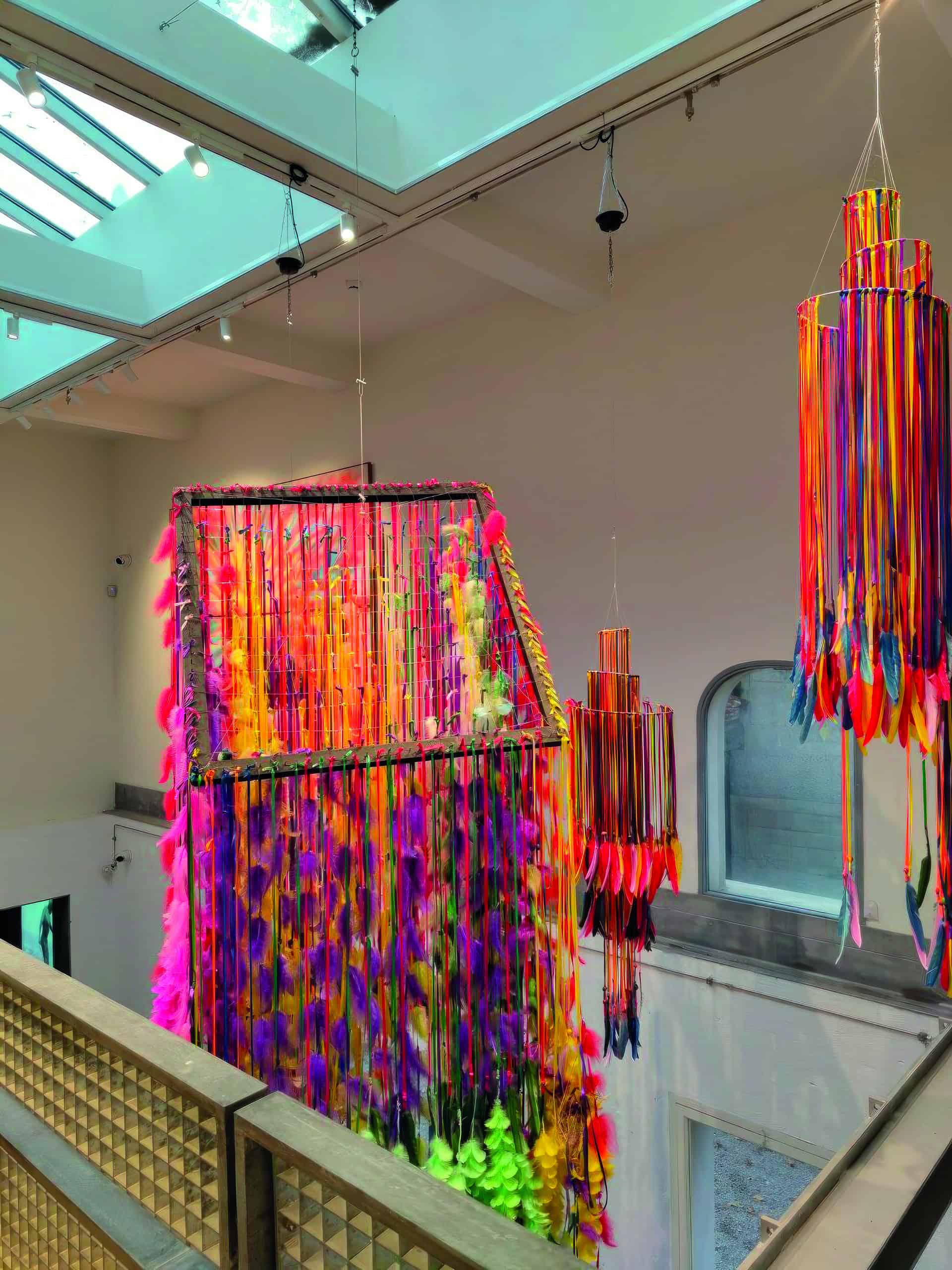
Curated by Adriano Pedrosa, director of the Museum of Art of São Paulo, the 2024 edition of the Venice Art Biennale stands out for its introspective and innovative nature. Pedrosa selected the works of more than 300 artists, many of whom were unknown to the general public, through a unique approach: personally travelling to different countries and continents to discover new works and ideas. This edition, for the first time, welcomes the participation of countries such as the Republic of Benin, Ethiopia, East Timor and Tanzania, opening up new cultural horizons. The central theme offers a political, psychological, poetic and linguistic interpretation that intertwines with the complex topic of estrangement from oneself, developed in multiple accessible and universal perspectives.
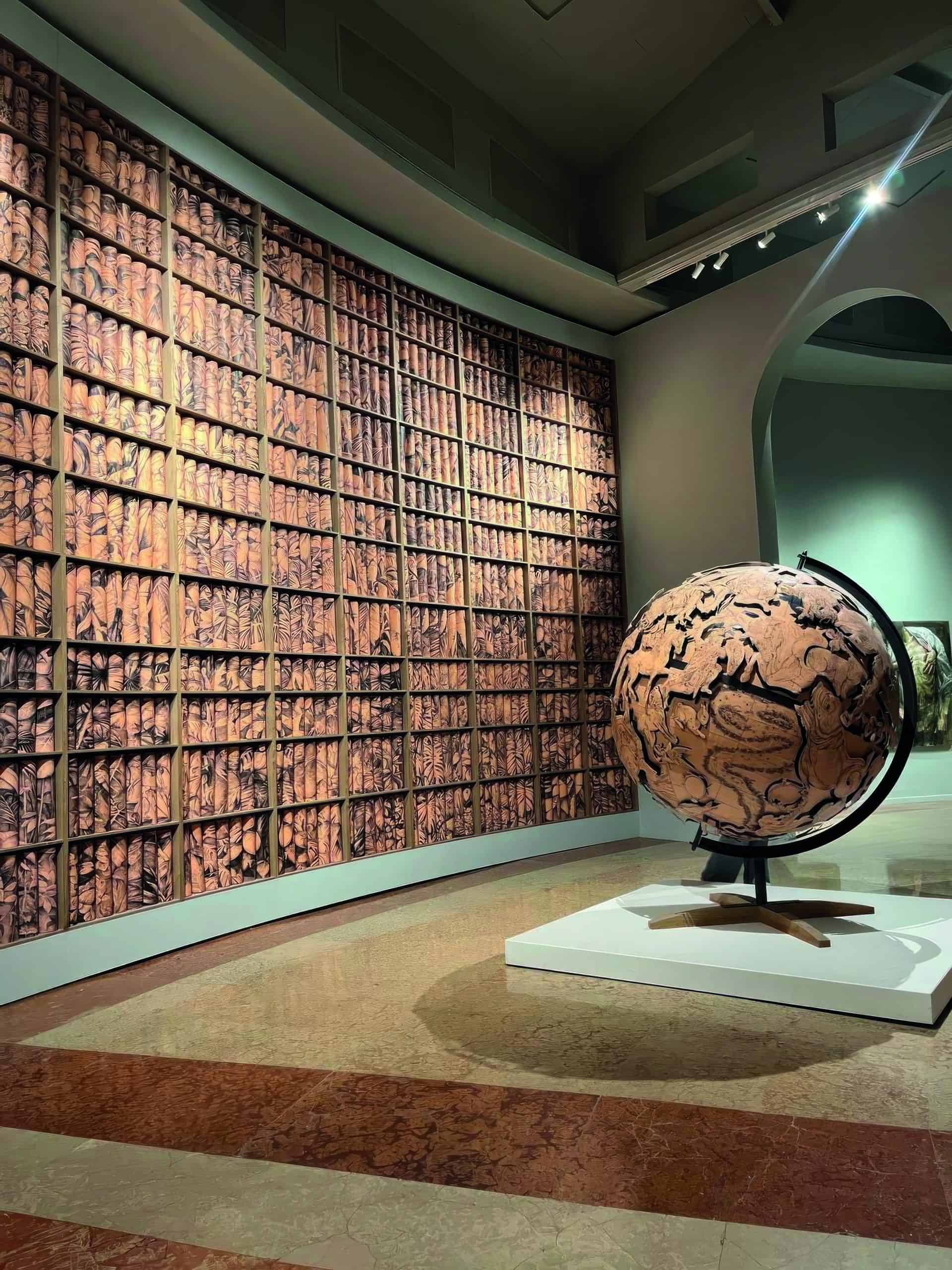
The Italian Pavilion, entitled Due qui / To hear, explores the dialogue between meeting and listening, between concrete action and metaphor. The title plays on the equivalent pronunciation of ‘Two here’ (‘Due qui’ in Italian) and ‘To hear’, reflecting the main theme of the Biennale through the lens of sound and relationship. Curated by Luca Cerizza, Massimo Bartolini’s project proposes an inner journey that connects Italian tradition and Buddhist spirituality, involving artists from different disciplines and nationalities. The works – sculptures, installations, sound works and performances – create a multisensory journey respectful of the exhibition spaces. The visitor moves through three areas of the Pavilion: Tesa 1, Tesa 2 and the Garden of the Virgins. These are spaces immersed in a dialogue between sound and silence, between listening to oneself and openness towards others.